



Chews, Gels, or Drinks? The Science of Carbohydrate Feeding Formats and Exercise Oxidation
When it comes to fueling endurance exercise, athletes are often told that a carbohydrate is a carbohydrate. Whether it's a slurp of liquid mix, a squeeze of thick gel, or a bite of a gummy chew, the primary goal is simple: deliver glucose and fructose to working muscles as efficiently as possible.
But does the physical format, the food matrix, actually matter? Do solid or semi-solid options slow down digestion, increase stomach distress, or alter how fast your body oxidises exogenous fuel?
Dr Ryan S. Kimball has been exploring carbohydrate feeding formats and their direct impact on exogenous carbohydrate oxidation rates during prolonged exercise.
Here is a comprehensive look at how different fuel formats stack up, what the science reveals about digestion dynamics, and how you can optimise your race-day fueling strategy.
The Big Question: Does Physical Form Alter Carb Absorption?
Endurance athletes rely on exogenous carbohydrates (fuel consumed during exercise) to spare liver and muscle glycogen, delay the onset of fatigue, and sustain high-intensity power output.
While decades of research have established that combining multiple transportable carbohydrates, specifically a 2:1 ratio of glucose to fructose, maximises absorption by utilising both SGLT1 and GLUT5 intestinal transporters, far less attention has been paid to the physical state of the delivery vehicle.
Dr. Kimball’s research set out to answer a practical, high-stakes question for runners, cyclists, and triathletes:
If the total carbohydrate dose and sugar ratios are identical, does consuming carbohydrates as a chew or gel alter oxidation rates compared to a standard liquid sports drink?
Key Finding 1: Equivalent Exogenous Fuel Oxidation Across Formats
The headline finding from Dr. Kimball’s work is reassuring for athletes who prefer variety: exogenous carbohydrate oxidation rates are statistically equivalent whether carbs are delivered via drinks, gels, or chews.
-
The Mechanism: Once carbohydrates clear the stomach and reach the small intestine, specialised transporters absorb the monosaccharides into the portal circulation regardless of whether they started as a liquid drink or a masticated chew.
-
The Takeaway: You are not sacrificing peak fuel delivery or metabolic efficiency by opting for chews or gels over liquids, provided the total carbohydrate amount and sugar ratios are matched.
Key Finding 2: Gastric Emptying and the Role of Water
While intestinal absorption rates even out across formats, the journey before the intestine, specifically gastric emptying (how quickly food leaves the stomach), differs significantly between liquids and solids.
-
Liquids: Pre-mixed sports drinks are already in liquid suspension, allowing them to pass through the pyloric sphincter into the small intestine with minimal mechanical processing.
-
Chews and Gels: Chews require mechanical breakdown through chewing and saliva mixing, while gels are highly concentrated syrups. Both spend slightly longer in the stomach and require adequate fluid volume to achieve an optimal osmolality.
-
The Golden Rule of Gels and Chews: Consuming high-concentration gels or dry chews without water can create a hypertonic environment in the stomach, pulling water into the gut lumen. This delays gastric emptying and drastically increases the risk of acute gastrointestinal (GI) distress. Always wash down chews and gels with plain water.
Key Finding 3: Gastrointestinal (GI) Comfort and Practical Tolerance
For most endurance athletes, race success is dictated less by physiological oxidation limits and more by individual GI tolerance.
-
Flavour and Texture Fatigue: Over a 3- to 6-hour endurance event, consuming the same sweet, sticky liquid drink mix can lead to sensory-specific satiety (flavour fatigue) and psychological aversion to fueling.
-
Strategic Variety: Alternating formats, such as utilising liquid drinks for baseline hydration and steady carb delivery, paired with chews or gels during key tactical phases, can maintain high carbohydrate intake while keeping the palate engaged and the stomach calm.
Practical Takeaways for Endurance Athletes and Coaches
-
Choose Based on Logistics and Preference: Because oxidation rates are comparable across formats, select the delivery method that best fits your event logistics, weather conditions, and personal comfort.
-
Never Consume Gels/Chews "Dry": Always pair concentrated carbohydrate sources with adequate water ingestion to facilitate proper gastric emptying and prevent cramping or bloating.
-
Train Your Gut: GI tolerance is a trainable physiological trait. Use your long training sessions to practice race-day fueling protocols at target intensities so your stomach adapts to handling mixed-format nutrition.
-
Periodize Your Fueling: Mix and match formats strategically. Use fluids early in events when hydration needs are high, and transition to gels or chews when managing fluid volume or seeking a quick mental and physical boost.
Quick Comparison: Drinks vs. Gels vs. Chews
| Feature | Carbohydrate Drinks | Gels | Chews / Gummis |
| Gastric Emptying Speed | Fastest (pre-diluted) | Moderate to Fast (requires water co-ingestion) | Slower initially (requires mechanical chewing & saliva breakdown) |
| Oxidation Rate | Optimal (when properly formulated) | Equivalent (when matched for dose/ratio) | Equivalent (when matched for dose/ratio) |
| Portability & Convenience | Requires flasks, bottles, or hydration packs | Highly portable, pocket-friendly, easy to tear open | Highly portable, easy to portion out in small bites |
| Primary GI Risk | Sloshing, nausea from high volume or overly concentrated mixes | Cramping or osmotic diarrhoea if consumed without water | Jaw fatigue, choking hazard if rushed, or stomach heaviness if unhydrated |
| Best Used For | Baseline hydration, steady multi-hour sipping | Fast, high-dose carb intake on climbs or surges |
Breaking up flavour fatigue, customizable dosing during long sessions |
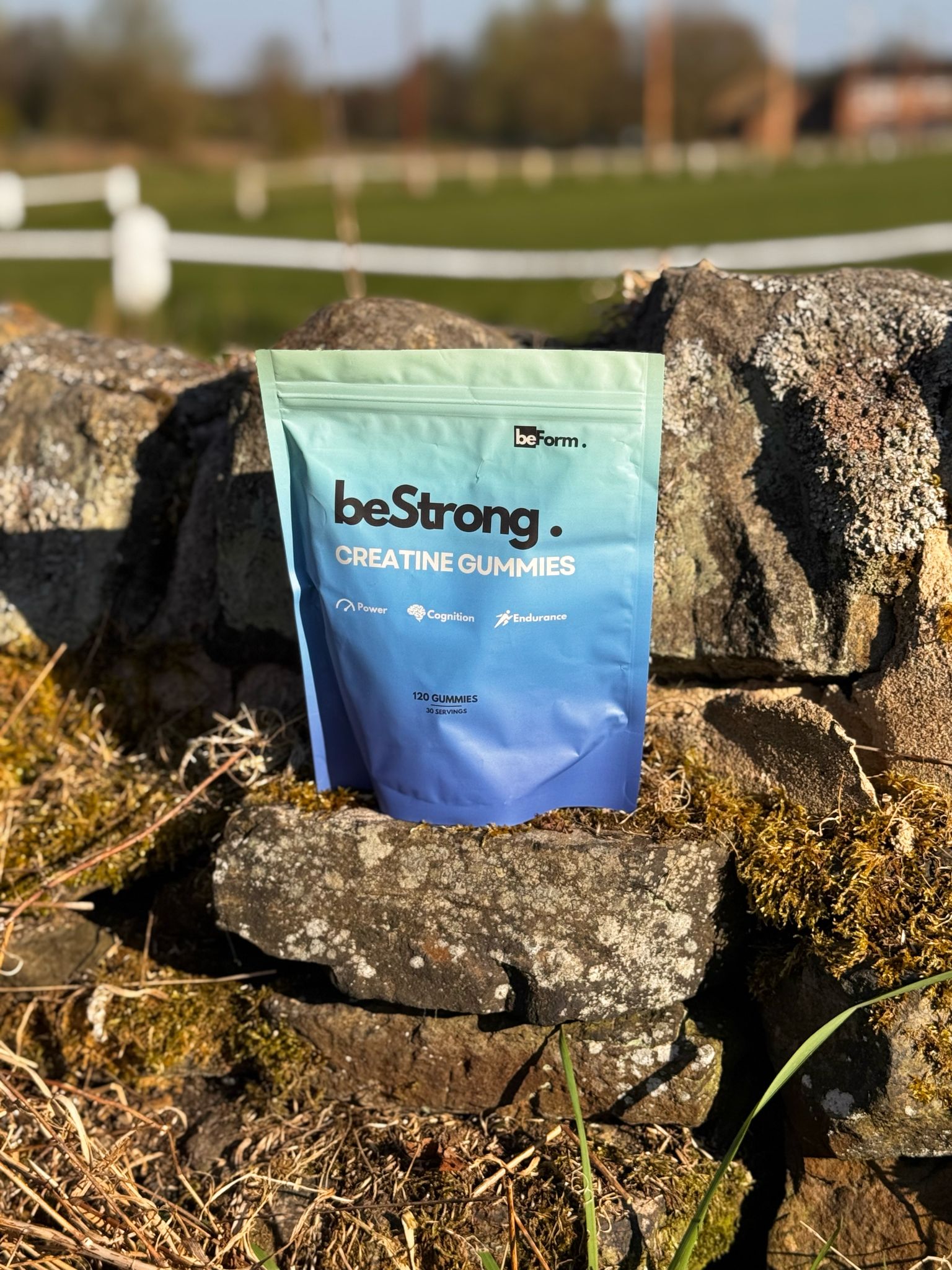
Fueling Your Miles: How beForm Nutrition’s beFuel and beHydrate Elevate Running Performance
Understanding carbohydrate oxidation rates and gastric limits in a lab is one thing; applying them on a rainy morning training run or a race-day starting line is another. This is where targeted, science-backed nutrition stacks like beForm Nutrition’s beFuel and beHydrate come into play to bridge the gap between theory and personal bests.
-
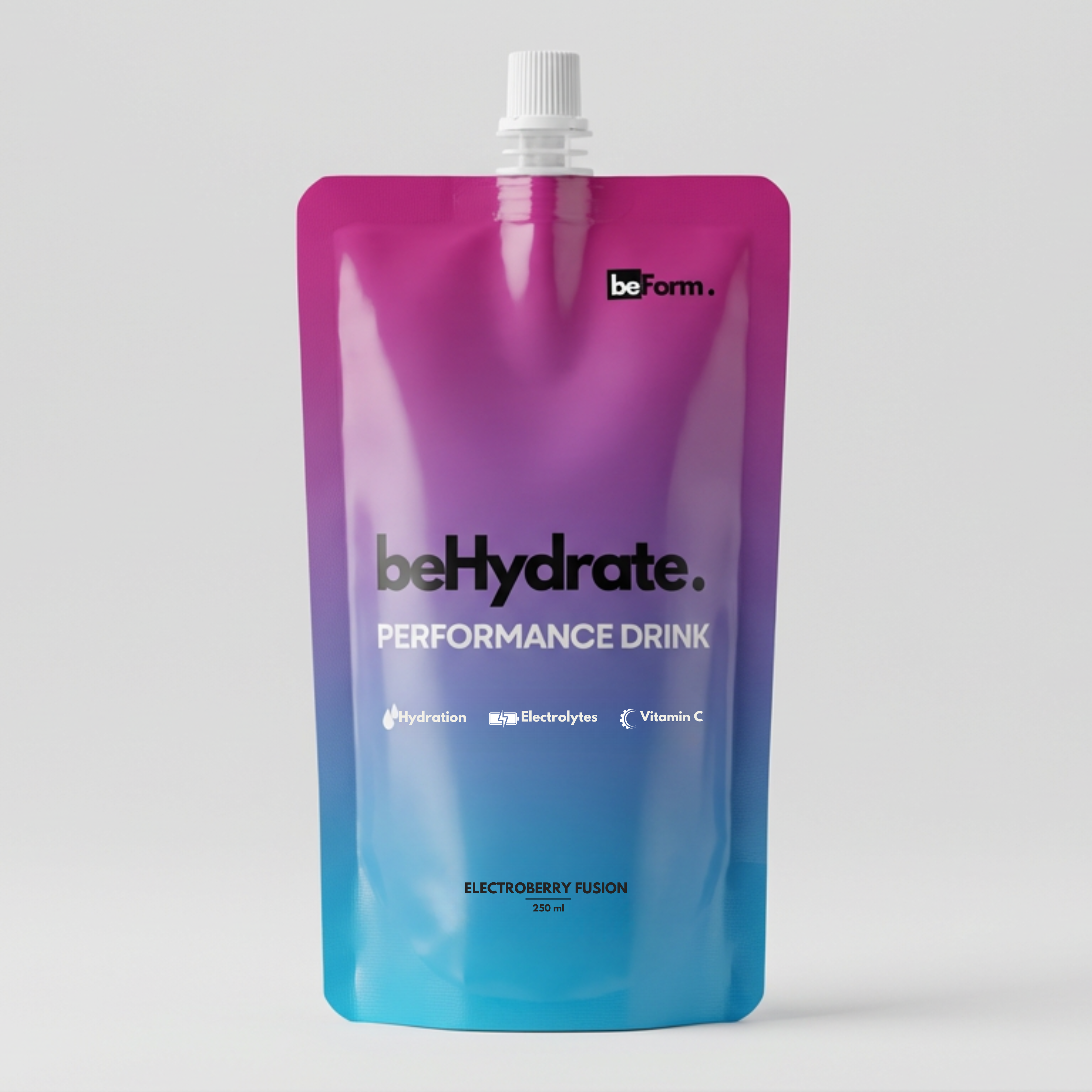
beHydrate (Optimal Fluid & Electrolyte Matrix): Drawing straight from the science of gastric emptying and hydration balance, beHydrate delivers a rapid-absorbing, full-spectrum electrolyte solution designed to match blood plasma osmolality. For runners, this means bypassing the heavy "stomach sloshing" and GI distress typical of overly sugary drinks. By maintaining blood plasma volume and replacing key salts lost in sweat, it wards off late-run heavy legs, prevents debilitating muscle cramps, and keeps your heart rate under control from your very first stride.
-
beFuel (Targeted Carbohydrate Energy): Aligned with the physiological reality that exogenous carbs spare muscle glycogen during sustained efforts, beFuel provides clean, accessible energy formats. Whether utilised through chews or easily digestible options, it matches the optimal carbohydrate delivery rates needed to sustain high-intensity pacing, prevent the dreaded late-race bonk, and keep your output steady when fatigue starts to creep in.
By pairing precise carbohydrate delivery with isotonic hydration that respects your gut, runners can maintain high performance, dodge cramping, and train harder for longer.